
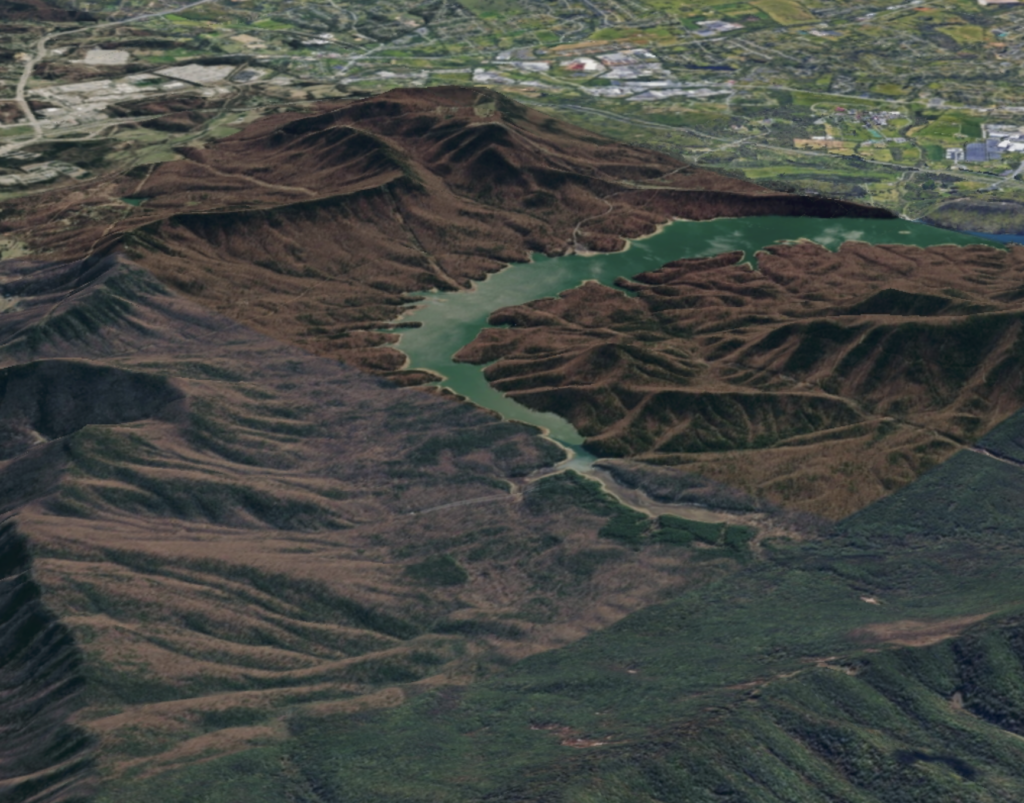
Carvins Cove Watershed
Watershed Creeks
The natural topography is crisscrossed by several perennial and intermittent streams that drain into the reservoir. Notable named creeks and drainages in and bordering the immediate watershed include:
- Carvin Creek: The primary natural drainage that forms the reservoir.
- Mason Creek: Flows along the southern perimeter of the reserve, separating the area from adjacent ridge
Supplemental Tunnels
- Catawba Tunnel: A 10,595-foot tunnel that brings overflow water from Catawba Creek into the reservoir.
- Tinker Creek Tunnel: A tunnel running under Tinker Mountain that diverts overflow from Tinker Creek into the cove.
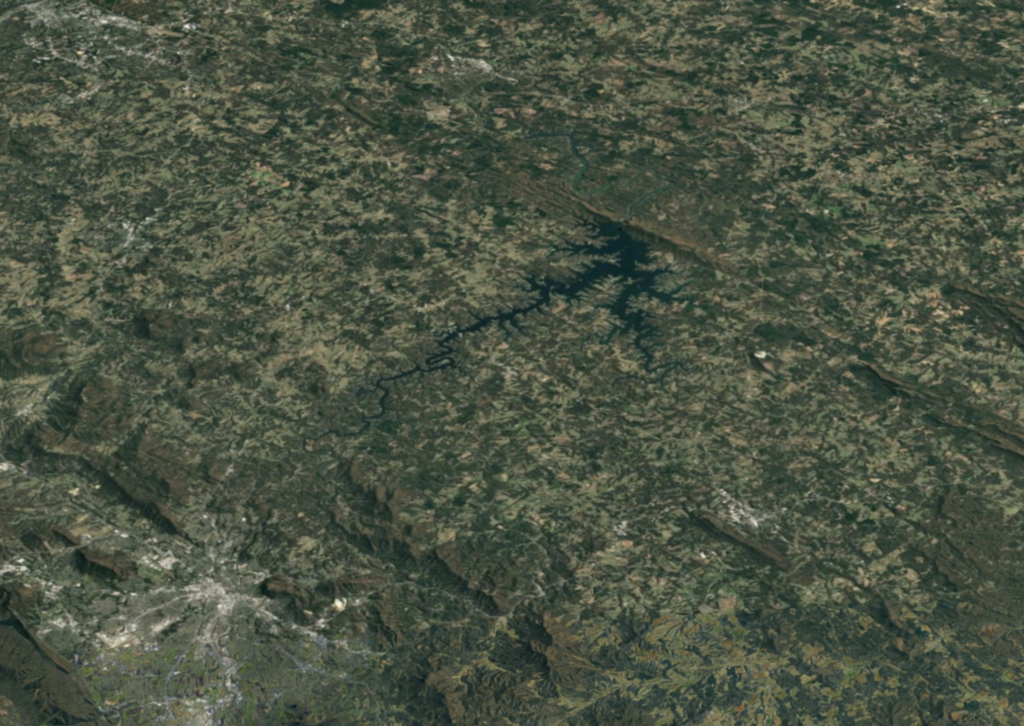
Smith Mountain Lake Watershed
Two rivers, the Blackwater and the Roanoke, are the main tributaries to Smith Mountain Lake. The Roanoke River is the larger of the two tributaries and drains a watershed that includes the Roanoke Metropolitan area. The Blackwater River’s drainage is mostly rural and agricultural. Gills Creek and Craddock Creek are prominent streams which drain into the lake.
- Surface Area: 31.3 square miles
- Water Volume: 0.67 cubic miles
- Maximum Depth: 200 feet
- Average Depth: 115 feet
- Water Level: Regulated
- Shoreline Length: 500 miles
- Water Residence Time: 3.2–3.5 years
- Drainage Basin (Catchment Area): 992 square miles
Average Water Residence Times
The residence time of water is the average duration a water molecule spends in a specific water source before cycling out.
- Atmosphere: ~9 to 10 days
- Rivers and Streams: 2 to 6 months
- Lakes and Reservoirs: Days to decades (depending on size and flow)
- Soil Moisture: 1 to 2 months
- Groundwater: 2 weeks to 10,000+ years
- Ice caps and Glaciers: 10,000 to 100,000+ years
- Oceans: ~3,000 to 3,200 years